
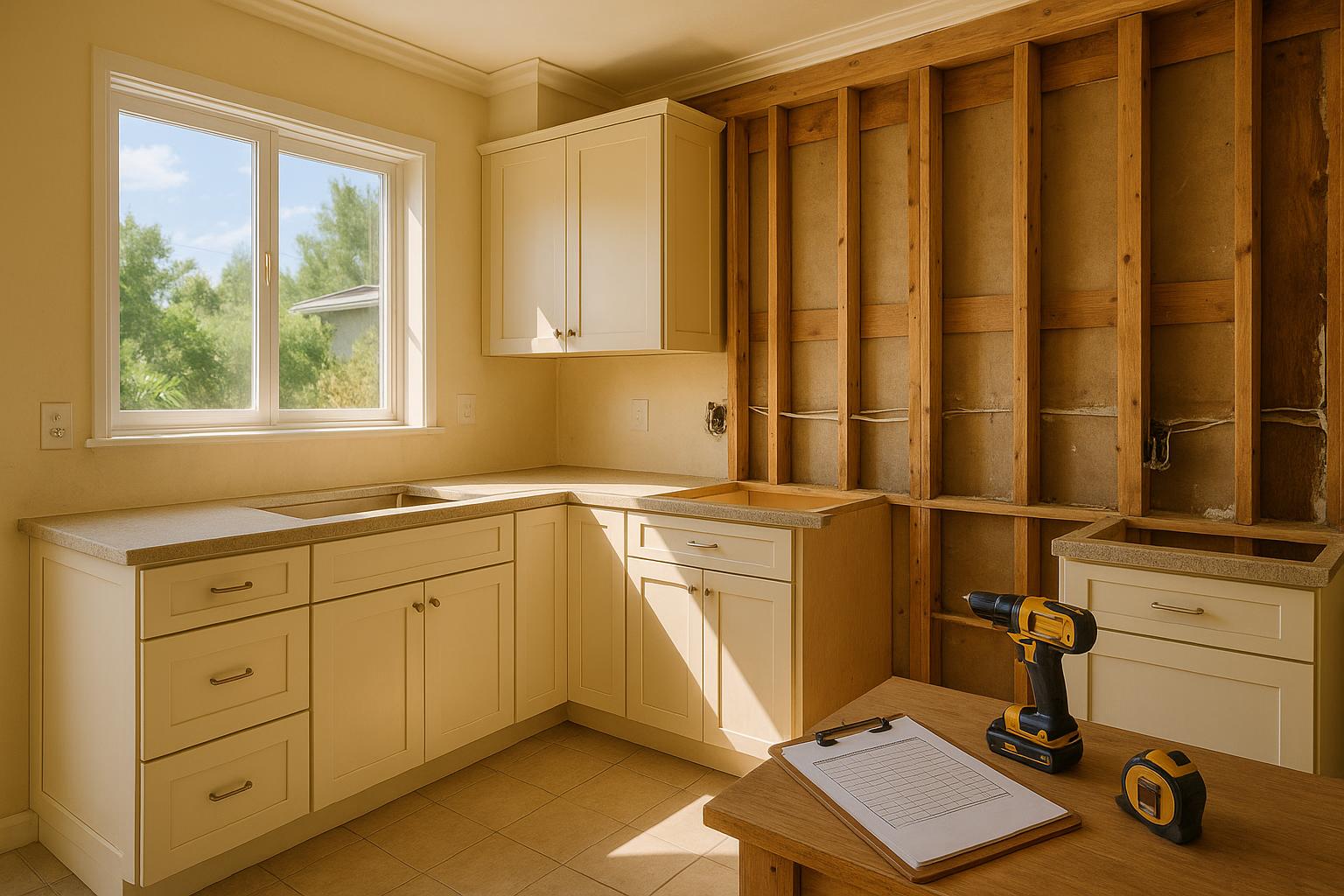
Why Remodel Timelines Matter More Than You Think
If you've ever talked to a friend or neighbor in La Mesa who recently went through a home renovation, chances are the first thing they mentioned was how long it took. Remodeling timelines are one of the biggest sources of stress for homeowners — and most of that stress comes from not knowing what to expect upfront.
The truth is, a well-planned timeline can be the difference between a smooth renovation experience and months of frustration. Whether you're updating a single bathroom or tackling a whole home renovation, understanding the phases, potential delays, and realistic durations will help you stay in control from start to finish.
Step 1: Define Your Project Scope Before Anything Else
Before you can build a timeline, you need to know exactly what you're doing. This sounds obvious, but it's where most homeowners stumble. A vague idea like "we want to redo the kitchen" isn't enough to create an accurate schedule.
Sit down and answer these questions:
- Which rooms or areas are being remodeled?
- Are you making structural changes, or is it mostly cosmetic?
- Do you need new plumbing, electrical, or HVAC work?
- Are you changing the floor plan or adding square footage?
- What's your must-have completion date, if any?
The more specific you are, the more accurately your contractor can map out the project. At Cliffside Foundation Pros, we spend significant time during our initial consultations helping La Mesa homeowners clarify their scope so there are no surprises down the road.
Step 2: Understand the Typical Phases of a Remodel
Every remodeling project follows a general sequence, even if the specifics vary. Knowing these phases helps you understand where you are in the process and what's coming next.
Design and Planning (2–6 Weeks)
This includes finalizing your design, selecting materials, getting permits, and creating a detailed project plan. Many homeowners underestimate this phase, but rushing through it almost always leads to costly changes later. If you're working with a designer or architect, factor in their timeline as well.
Permitting (1–4 Weeks)
Depending on the scope of your project, you may need permits from the City of La Mesa or San Diego County. Permit processing times vary, and this is one area where delays are largely out of anyone's control. Your contractor should handle the application process, but it's good to know that this step exists and takes time.
Demolition and Rough Work (1–3 Weeks)
This is when the old materials come out and the structural, plumbing, and electrical rough-ins happen. It's the messiest phase, and it can feel like your home is in chaos. But it's also when the real transformation begins.
Inspections (A Few Days to 2 Weeks)
After rough work, inspectors need to sign off before you can close up walls. Scheduling inspections can sometimes cause short delays, especially during busy seasons.
Finishing Work (2–6 Weeks)
Drywall, painting, flooring installation, cabinetry, fixtures, and all the details that make your space look complete. This phase is where your vision really comes to life.
Final Walkthrough and Punch List (1 Week)
You and your contractor walk through the finished project together, noting any small items that need attention. A good contractor will address these quickly and thoroughly.
Step 3: Know What Causes Delays (and How to Avoid Them)
Even the best-planned remodel can hit bumps. Here are the most common causes of delays and how to minimize them:
- Indecision on materials: Choosing tile, countertops, fixtures, and paint colors takes longer than most people expect. Make your selections early — ideally during the design phase — so materials can be ordered in time.
- Backorders and supply chain issues: Some materials have long lead times, especially custom cabinetry or specialty tile. Your contractor should flag these items early so you can order them well in advance.
- Unexpected discoveries: Older homes in La Mesa sometimes reveal surprises behind walls — outdated wiring, water damage, or structural issues that need to be addressed. A contingency of 10–15% in both your budget and timeline helps absorb these surprises.
- Scope creep: It's tempting to add things mid-project. "While we're at it, let's redo that closet too." Every addition extends the timeline. If you want to add scope, discuss it with your contractor and understand the time and cost impact before committing.
- Poor communication: Delays often happen when homeowners and contractors aren't on the same page. Establish a regular check-in schedule — weekly updates work well for most projects — so everyone stays aligned.
Step 4: Set Realistic Expectations for Your Specific Project
So how long will your remodel actually take? Here are some general ranges based on project type:
- Bathroom remodel: 3–6 weeks for a standard update; 6–10 weeks for a full gut renovation
- Kitchen remodel: 6–12 weeks depending on the scope and whether you're changing the layout
- Room addition: 8–16 weeks depending on size and complexity
- Whole home renovation: 3–6 months or more for a comprehensive transformation
- Flooring installation: 1–2 weeks for most homes, depending on square footage and material
- Interior painting and finishing: 1–2 weeks for a full interior
These are estimates, not guarantees. Every home is different, and factors like the age of your property, the availability of materials, and the complexity of your design all play a role.
Step 5: Choose a Contractor Who Communicates Clearly
The single most important factor in a smooth remodel timeline is your contractor. A skilled, communicative contractor will set honest expectations from the beginning, keep you informed throughout the process, and proactively address issues before they become major delays.
When interviewing contractors, ask these questions:
- Can you provide a detailed project schedule with milestones?
- How do you handle unexpected issues or changes?
- How often will you update me on progress?
- What's your current availability and lead time?
At Cliffside Foundation Pros, we believe that transparency is the foundation of a great remodeling experience. We provide La Mesa homeowners with clear timelines, regular progress updates, and honest conversations about what to expect at every stage. We'd rather give you a realistic timeline upfront than make promises we can't keep.
Your Remodel Doesn't Have to Be Stressful
Planning a remodel timeline isn't about controlling every variable — it's about understanding the process well enough that surprises don't derail you. When you define your scope early, select materials on time, build in a buffer for the unexpected, and work with a contractor you trust, the entire experience becomes manageable and even enjoyable.
If you're a homeowner in La Mesa, El Cajon, Spring Valley, or anywhere in the surrounding area and you're thinking about a renovation, we'd love to help you plan it right. Reach out to Cliffside Foundation Pros for a free consultation, and let's build a timeline that works for your life.